In today’s highly competitive digital marketplace, ecommerce brands often face one major question: should they invest in SEO or paid advertising to grow faster? The debate around “ecommerce seo vs ads” continues because both strategies promise visibility, traffic, and sales—but they work in very different ways.
Understanding how each channel performs, when to use them, and how they can work together is essential for sustainable growth. In this guide, we’ll break down SEO vs paid ads in detail, including cost, scalability, ROI, and real-world application for online stores.
We’ll also explore how a strong shopping ads strategy fits into the bigger picture of ecommerce success.
Understanding SEO for Ecommerce Growth
Search Engine Optimization (SEO) is the process of improving your website’s visibility on search engines like Google without paying for each click. For ecommerce brands, SEO typically focuses on:
- Product page optimization
- Category page ranking
- Informational blog content
- Internal linking structure
- Technical performance (speed, mobile usability, indexing)
The biggest advantage of SEO is long-term sustainability. Once your pages rank, they can generate consistent traffic without ongoing ad spend.
For example, a well-optimized product page can continuously bring in buyers searching for “best running shoes under $100” or “organic skincare set for sensitive skin.”
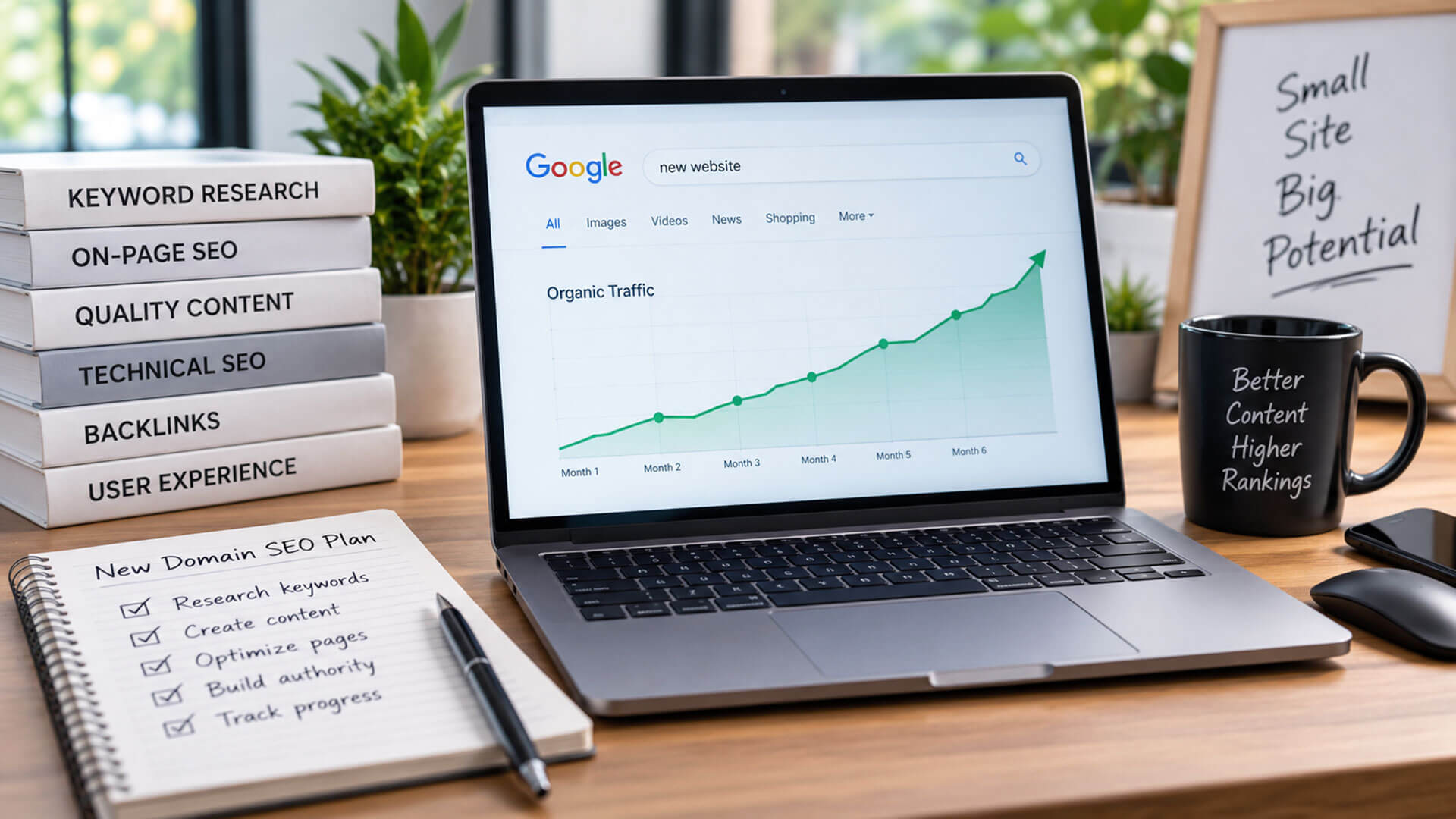
However, SEO takes time. It can take weeks or even months before you see meaningful results, especially in competitive niches.
Understanding Paid Ads for Ecommerce Growth
Paid ads, on the other hand, provide immediate visibility. Platforms like Google Ads, Meta Ads, and TikTok Ads allow ecommerce brands to appear instantly in front of potential buyers.
When discussing “ecommerce seo vs ads”, paid advertising is often seen as the “fast track” option. You can launch campaigns today and start getting clicks and conversions within hours.
Common types of paid ads include:
- Google Shopping Ads
- Search Ads (text-based)
- Display Ads
- Social Media Ads (Facebook, Instagram, TikTok)
Paid ads are especially powerful for product launches, seasonal promotions, and testing new offers quickly.
However, once you stop paying, the traffic stops immediately. This is the biggest trade-off compared to SEO.
SEO vs Paid Ads: The Core Differences
To understand ecommerce seo vs ads, we need to break down how they compare across key business factors:
1. Cost Structure
SEO requires upfront investment in content, optimization, and technical improvements. Paid ads require continuous spending for every click or impression.
SEO = long-term investment
Ads = ongoing operational expense
2. Time to Results
SEO: Slow but steady (3–6 months typically)
Paid Ads: Immediate traffic within hours or days
3. Traffic Stability
SEO builds compounding traffic over time
Paid ads stop when budget stops
4. ROI Potential
SEO often delivers higher long-term ROI
Paid ads can deliver fast ROI but may become expensive at scale
5. Scalability
SEO scales with content and authority growth
Paid ads scale with budget and optimization
Both are powerful—but they serve different growth stages.
When SEO Is the Better Choice
SEO works best for ecommerce businesses that want long-term, stable growth. It is especially effective when:
- You want consistent organic traffic
- You are building brand authority
- You have time to invest in growth
- You want lower cost per acquisition over time
SEO is also critical for businesses selling evergreen products like apparel, beauty products, home goods, or supplements.
Once your SEO foundation is strong, your store can continue generating sales even without active ad spend.
When Paid Ads Are the Better Choice
Paid ads are ideal when you need immediate results. They are most effective for:
- Product launches
- Flash sales and promotions
- Seasonal campaigns (Black Friday, Christmas, etc.)
- Testing new products or audiences
A strong shopping ads strategy is particularly important here. Google Shopping Ads, for example, allow users to see your product image, price, and store name directly in search results—making it highly conversion-focused.
However, without proper optimization, paid ads can quickly become expensive. That’s why campaign structure, audience targeting, and conversion tracking are essential.
The Role of Shopping Ads Strategy in Ecommerce
A well-executed shopping ads strategy can significantly improve ecommerce performance. Unlike traditional search ads, Shopping Ads focus directly on product visibility.
Key components of a strong strategy include:
1. Optimized Product Feed
Your product titles, descriptions, and images must be clear, keyword-rich, and structured correctly for Google Merchant Center.
2. Smart Bidding Strategy
Using automated bidding like Target ROAS or Max Conversion Value helps improve efficiency over time.
3. High-Quality Images
Since Shopping Ads are visual, product images directly influence click-through rates.
4. Negative Keywords Management
Filtering irrelevant searches ensures your budget is spent on high-intent buyers only.
5. Continuous Performance Monitoring
Regular adjustments are necessary to maintain profitability and scale campaigns effectively.
When combined with SEO, Shopping Ads create a powerful multi-channel growth system.
Why You Shouldn’t Choose Only One
The biggest misconception in ecommerce seo vs ads discussions is that businesses must choose one or the other. In reality, the most successful ecommerce brands use both.
Here’s why:
- SEO builds long-term organic traffic
- Paid ads generate immediate revenue
- SEO reduces dependency on ad spend
- Ads provide data to improve SEO targeting
When combined, they create a balanced growth ecosystem.
For example, paid ads can help identify high-converting keywords, which can later be used to optimize SEO content. Meanwhile, SEO can lower your overall customer acquisition cost, making ads more profitable.
How Profit Pandas Helps Ecommerce Businesses Grow
At Profit Pandas, we help ecommerce brands build scalable digital growth systems using both SEO and paid advertising strategies.
Instead of treating SEO and ads as separate channels, we integrate them into a unified performance strategy that focuses on:
- Sustainable organic growth through SEO
- High-converting paid ad campaigns
- Data-driven keyword targeting
- Optimized shopping ads strategy implementation
- Full-funnel tracking and reporting
Our approach ensures that every marketing dollar contributes to long-term business growth—not just short-term traffic spikes.
SEO vs Paid Ads: Final Verdict
So, in the debate of ecommerce seo vs ads, there is no universal winner.
- If you want long-term brand growth → SEO is essential
- If you want immediate sales → Paid ads are necessary
- If you want maximum performance → Use both together
The real advantage comes from integration, not competition.
Frequently Asked Questions (FAQs)
Which is better for ecommerce: SEO or paid ads?
SEO is better for long-term growth, while paid ads are better for immediate results. SEO helps your ecommerce store build organic visibility and consistent traffic over time without paying for every click, making it a strong foundation for sustainable growth. Paid ads, however, deliver instant visibility and are highly effective for promotions, launches, and driving quick sales. Most successful brands don’t rely on just one—they combine both to balance stability and speed in their marketing strategy.
How long does SEO take to work for ecommerce websites?
SEO typically takes around 3 to 6 months to show noticeable results for ecommerce websites, although this can vary depending on competition, domain authority, and content quality. New websites usually take longer because they need time to build trust with search engines, while established stores may see faster improvements. The benefit of SEO is that once rankings improve, the traffic becomes consistent and continues to grow without ongoing ad spend.
Are Google Shopping Ads effective for ecommerce?
Yes, Google Shopping Ads are highly effective for ecommerce because they showcase product images, prices, and store names directly in search results, attracting high-intent buyers. This visual format helps users quickly compare products before clicking, which often leads to higher conversion rates compared to standard text ads. When properly optimized, Shopping Ads can become a powerful revenue channel for driving qualified traffic and increasing sales.
What is a shopping ads strategy?
A shopping ads strategy is the structured approach used to optimize and manage Google Shopping campaigns for better performance and return on investment. It involves improving product feeds, using high-quality images, selecting the right bidding strategies, and targeting the most relevant audiences. A strong strategy also includes ongoing optimization based on performance data to ensure ad spend is used efficiently and conversions are maximized.
Can SEO reduce my ad spending?
Yes, SEO can significantly reduce ad spending over time by generating consistent organic traffic that doesn’t require ongoing payment per click. As your website ranks higher for important keywords, it can capture steady traffic that would otherwise need to be purchased through ads. This allows businesses to lower their overall cost per acquisition and rely more on organic growth while using ads only for scaling or promotions.
Subscribe to Our Newsletter
Stay ahead in the competitive ecommerce landscape. Get insights on SEO, paid ads, and growth strategies delivered straight to your inbox.
Join the Profit Pandas newsletter to receive actionable marketing tips, case studies, and industry updates that help you scale smarter.
Ready to Grow Your Ecommerce Business?
If you’re still deciding between SEO and paid ads, or you want a system that combines both effectively, Profit Pandas can help you build a strategy that drives real, measurable growth.
Reach out through our contact form to get a customized growth plan for your ecommerce business.
Let’s turn your traffic into revenue and your marketing into a scalable growth engine.